Across over 100 countries, a day of giving is celebrated annually on May 17th, championed by Kalinga Institute of Industrial Technology (KIIT) and Kalinga Institute of Social Sciences (KISS) of India. This year the theme is “Share to Shine.” It is part of the “Art of Giving” movement ascribed to by their founder Dr. Achyuta Samanta, who built the schools from a simple but powerful idea— that of giving. At Bhubaneshwar, Odisha-based KISS, this is reflected in fully free, holistic education for nearly 80,000 Indigenous students.
A great deal of compassion, love and goodwill is poured into the campaign each year. This year the wave of expression coincides with the U.N.’s Year of the Volunteer and is connected to the development goal of peace, justice and strong institutions.
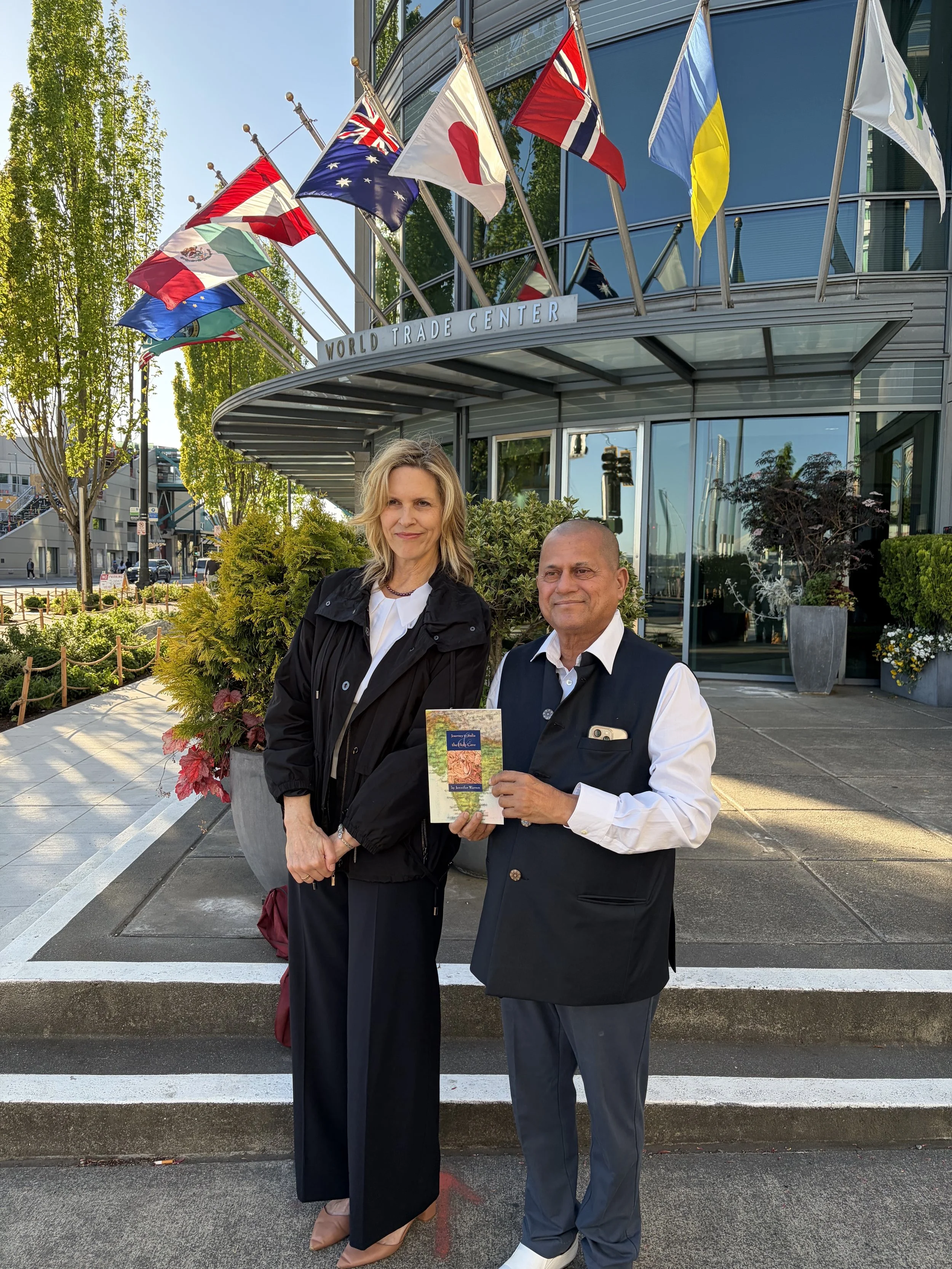
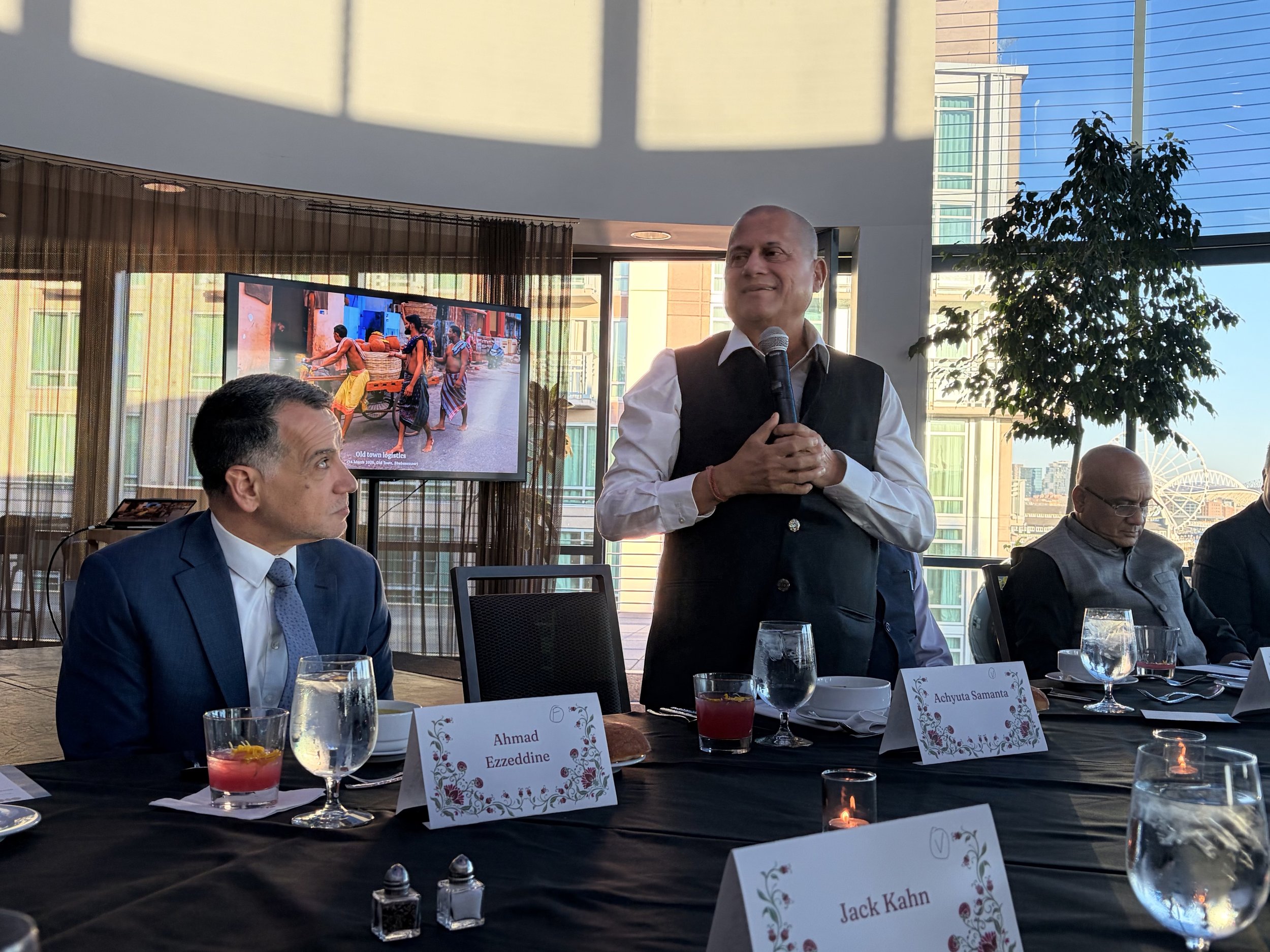


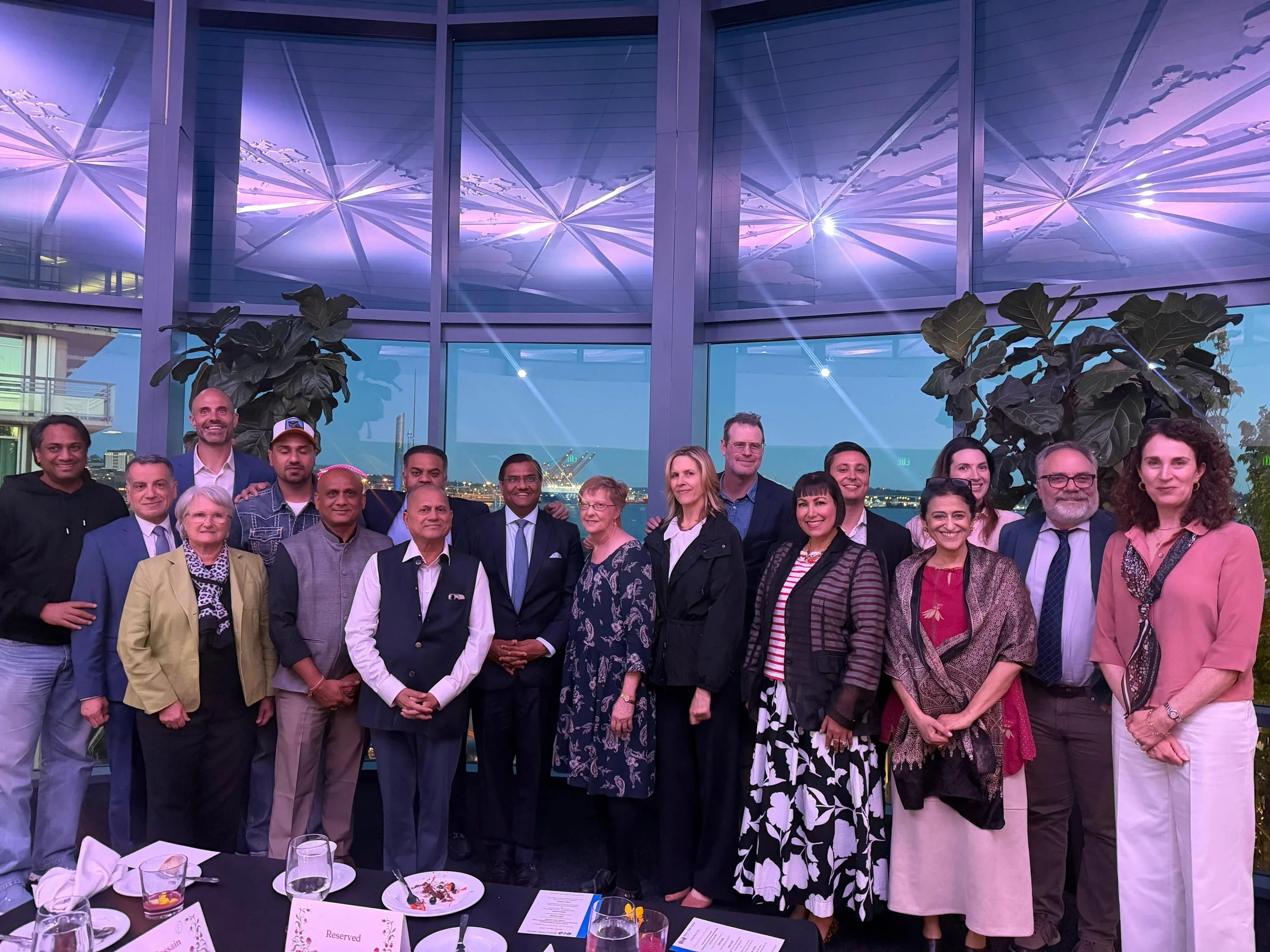
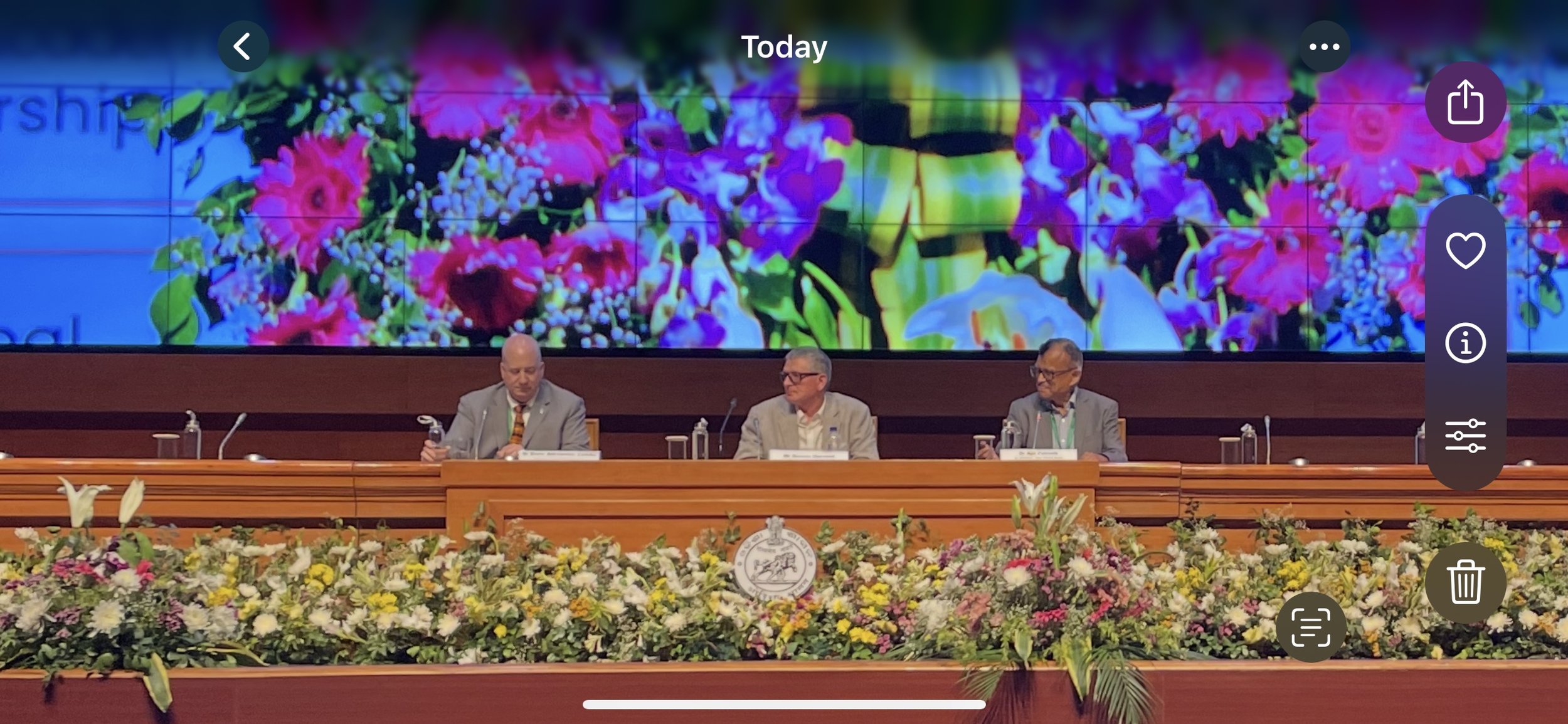
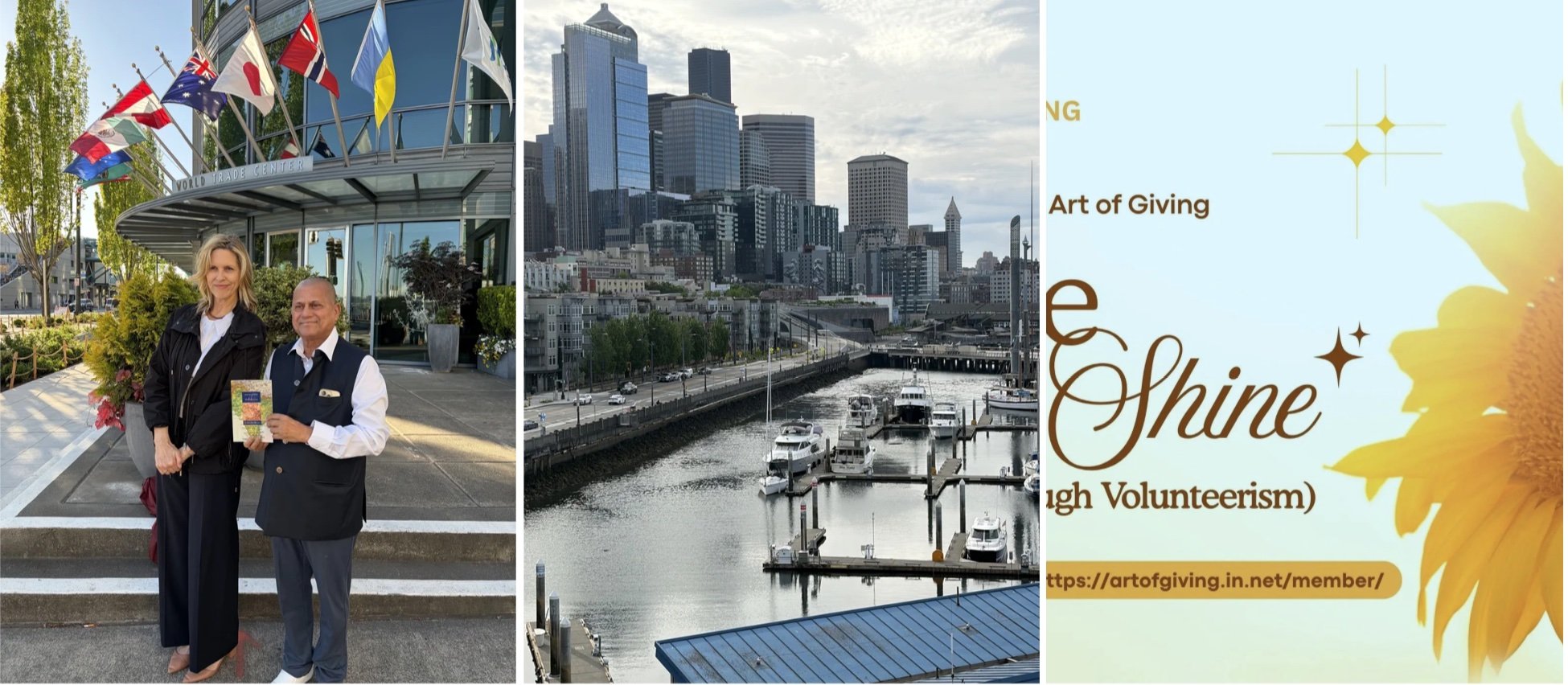
Ironically, Bhubaneshwar, Odisha-based Dr. Samanta was invited to Seattle for a May 11th dinner by the Consul General of India, Seattle, unknowingly close to the day of giving. As part of a recent U.S. delegation to India, the Seattle-connected delegates were invited, and I joined them. In March, his twin organizations KIIT and KISS hosted educators, trade representatives, and creative professionals. He was also being honored in Bozeman by the Governors office, Montana World Affairs Council and University of Montana. Earlier, I had been asked to hold an event or forum for the celebrations, but alighted in Seattle for efficiency’s sake.
A Message of Advocacy
Personally, with the 250th anniversary of the birth of the United States of America, I can think of no better time than now to participate in this offering. I have been intending my own “campaign” of recognition about freedom, independence and creating opportunity, the raison de’ etre of America. Coming from early founders myself, and entrepreneurial frontiersmen, I understand the need to stop— and reflect on the bounty of America and what we can give in attention, resources and connection.
[See the visit that captures some of the impact]
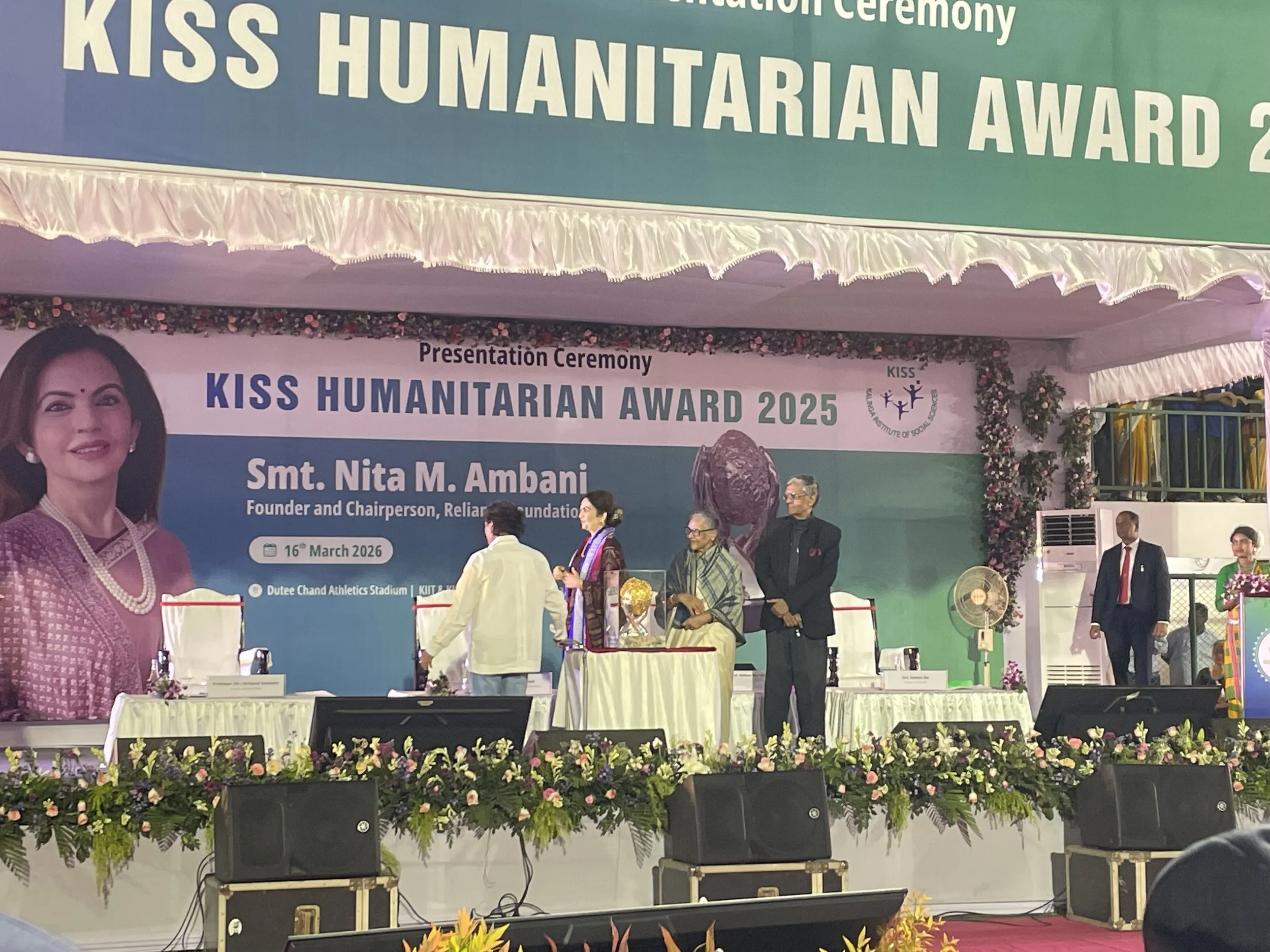
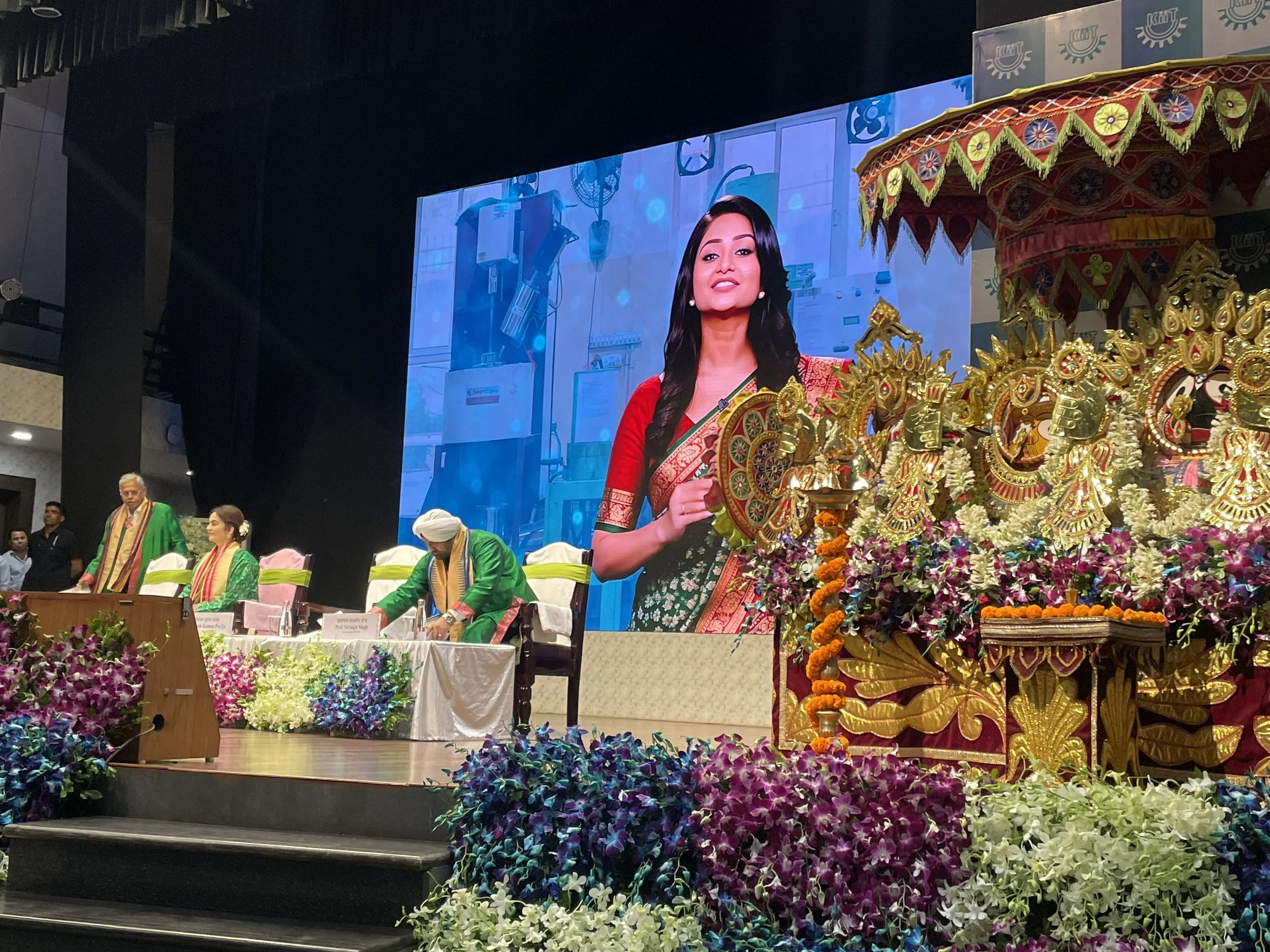
While at Bhubaneshwar, we witnessed a Humanitarian Awards ceremony, with Ms. Nita Ambani the 2026 recipient; a stadium of 40,000 students and officials from around the world. Humanitarian and philanthropist through the Reliance Foundation, Ms. Ambani spoke of ethical, balanced leadership, India’s role in the global South, and women’s and girl’s empowerment. I had the privilege of meeting some of the girls on several occasions.
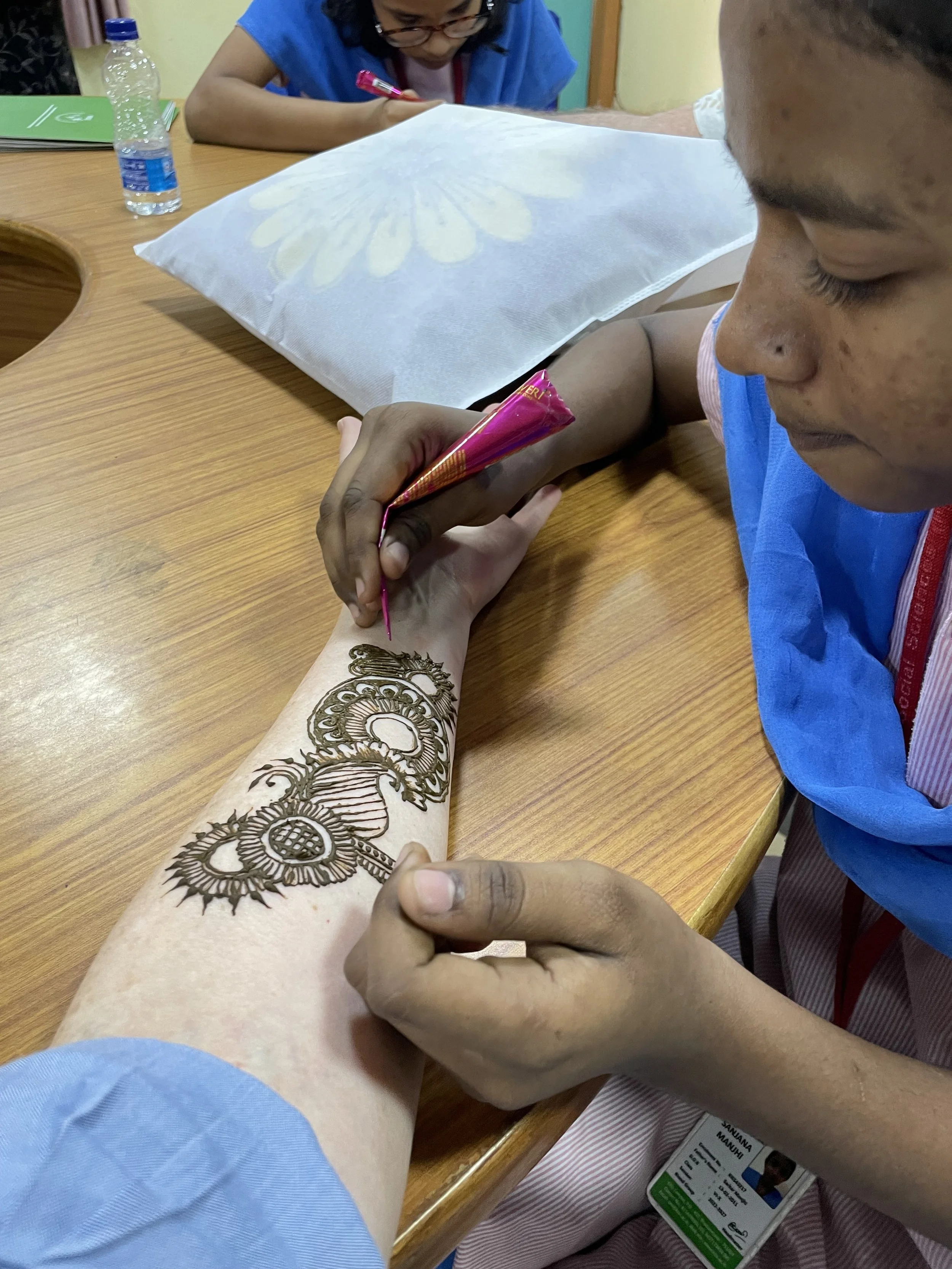
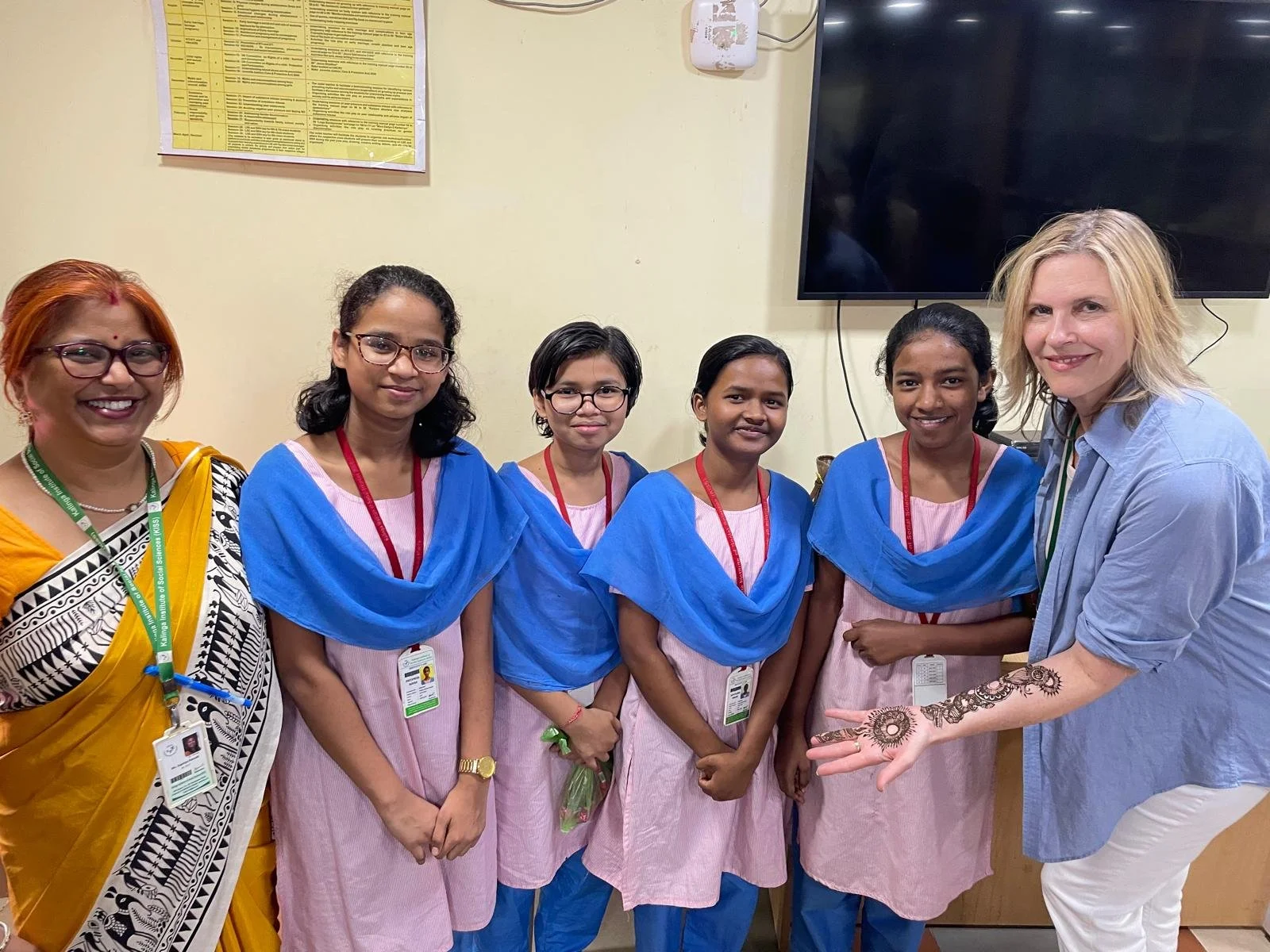
Knowing that the arts and culture are encouraged expressions for a holistic education while at KISS, I asked one of the outreach coordinators, Adiroopa Mukherjee, if I could get a henna tattoo. I thought my ask was sort of extravagant. Adiroopa, who I rode with often on our whirlwind itinerary, exceeded my expectations on our last day, surprising myself and others. Not only did I received a lovely work of scrolling, inspired henna art on my forearm, several of the group, men included, received similar personal artworks. For women and girl’s empowerment to be complete, we need the support and involvement of men, too.

Empowering and Growing
When I have the chance, activities that include women’s and girl’s empowerment are where I like to spend effort and time. This can take shape in many ways or gestures. My advice to women: The most fundamental expression is that of awakening to one’s potential or allowing for opportunity. We only have to make the choice to do so, and take baby steps toward a goal or ideal. Expect obstacles to come—and overcome them.
Economic development and opportunity are part and parcel of this line of thinking. In my work, I have had the honor of chronicling the shale energy revolutions as one who lives near the leaders and region where it began. It was a feat of entrepreneurial grit and determination. Since then, I’ve conveyed my observations and learnings about energy and digital infrastructure in various forums. Energy provision is a basic necessity of modern living, and those in the field are tasked to deliver it in smarter and cleaner ways. It takes resources to produce resources, no matter the form. Women have a role to play, with their unique and innate capacity to nurture and care for life and community.



Observations About the KISS Model and Indigenous Education
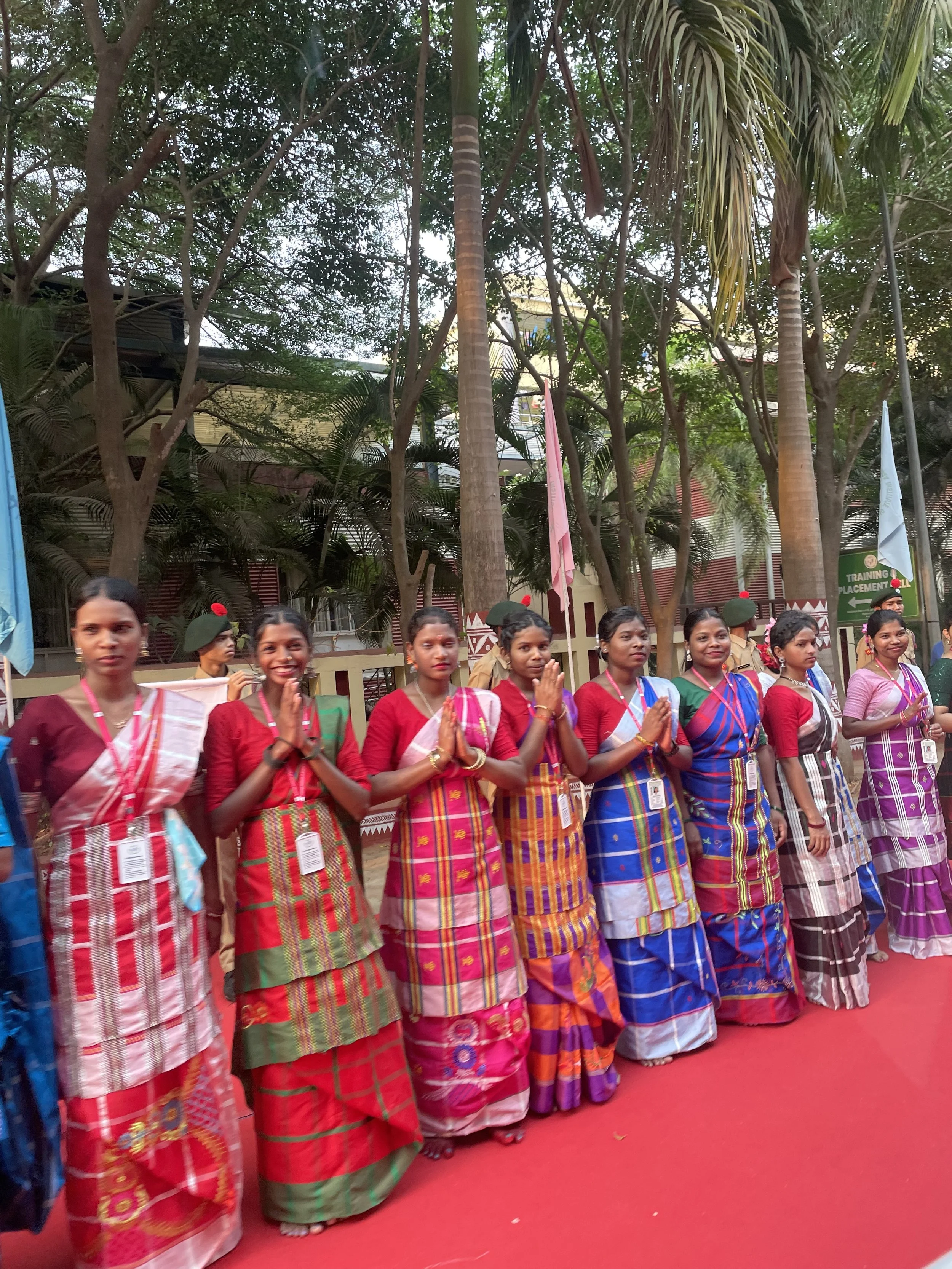
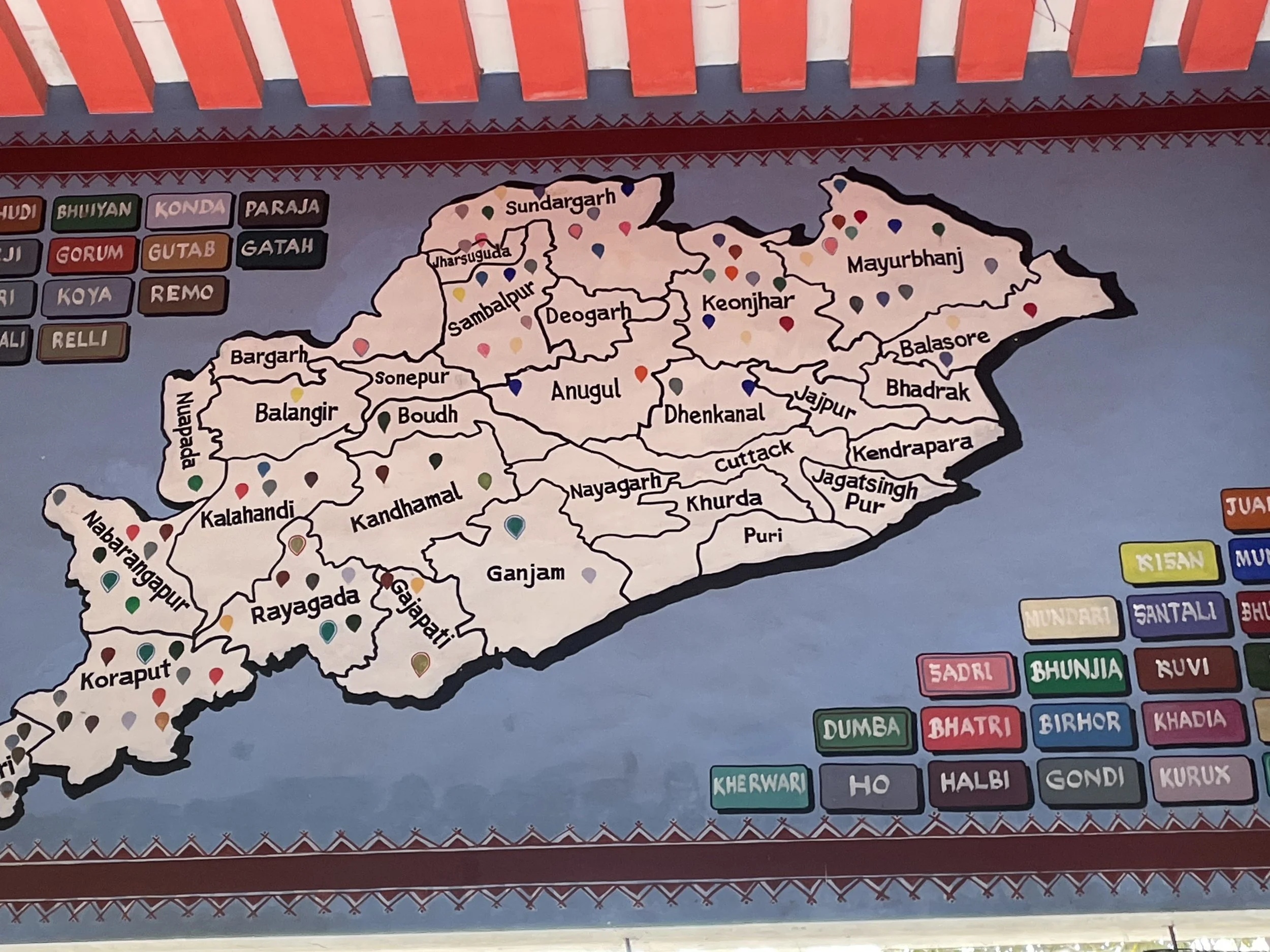
KISS serves indigenous children starting as young as five or six, offering everything from vocational training to Ph.D. pathways — all at no cost. Witnessing the school firsthand and interacting with the girls, I observed students being provided opportunity that would otherwise not happen. They would become a burden on their family's resources, coming from 62 tribes in India, largely from Odisha.
Having been to India in the mid-90s and then again in March, I had a sense of its development stage. Visitors have to "check their judgment at the door" when understanding about tribal village communities and the ways in which change happens. What one generation begins, the next will likely improve from experience and shape future initiatives.
The undercurrent of giving and lifting up others was palpable throughout the trip. I noticed Ms. Ambani repeating the words "people, prosperity and peace," which resonate with me and I consider as foundational pillars of a virtuous circle. Interestingly, I had to travel thousands of miles to hear others say them.
A Fast-Growing Economy
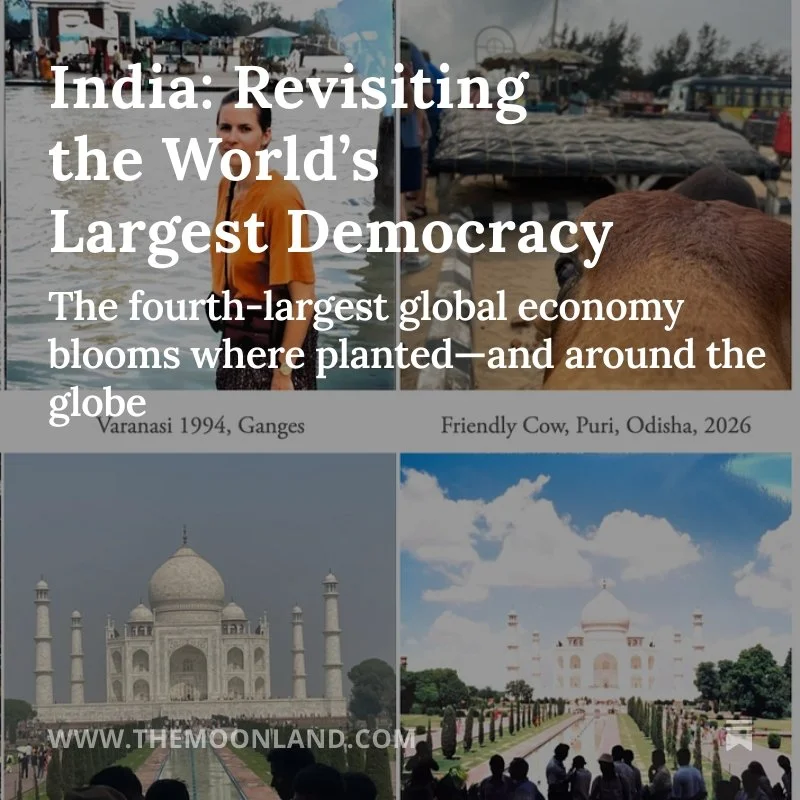
India is one of the fastest-growing economies in the world, yet the scale of need remains enormous. A growing and rising middle class coexists adjacent deep poverty. I believe India sees its role in global affairs as a duty and a calling, not just geopolitical positioning. While engaging with various groups in India, I noticed a sense of collective national purpose being translated.
Since last visiting India in 1994, which included some off-the-beaten-path travel, Odisha revealed a story of development and human progress. When visiting the incubators at the Blue Economy summit, I observed the young entrepreneurs’ stories, which were a window into the world’s largest democracy and a top-five economy in transition.
India has risen in socio-economic development stature through the path of education. Its educated population often excels in sciences, math and engineering, which explains the proclivity to dominate in the field of technology.
The tech-savvy youth of India really hold a lot of promise ahead. I met a number of startups, with impressive ventures in ocean-related initiatives, many focused on sustainability. One of India's key pillars is a focus on sustainably.
As India continues to grow, the economy will further diversify and create more opportunity for entrepreneurs of all stripes. I believe India, with a community-focused nature, will light a path of inclusive growth.
My hope is for Freedom, Peace and Progress

Free Press Matters Too: From the 2026 Innovation Awards with DCEO

Making Tracks: Seattle From a Bridge Crossover