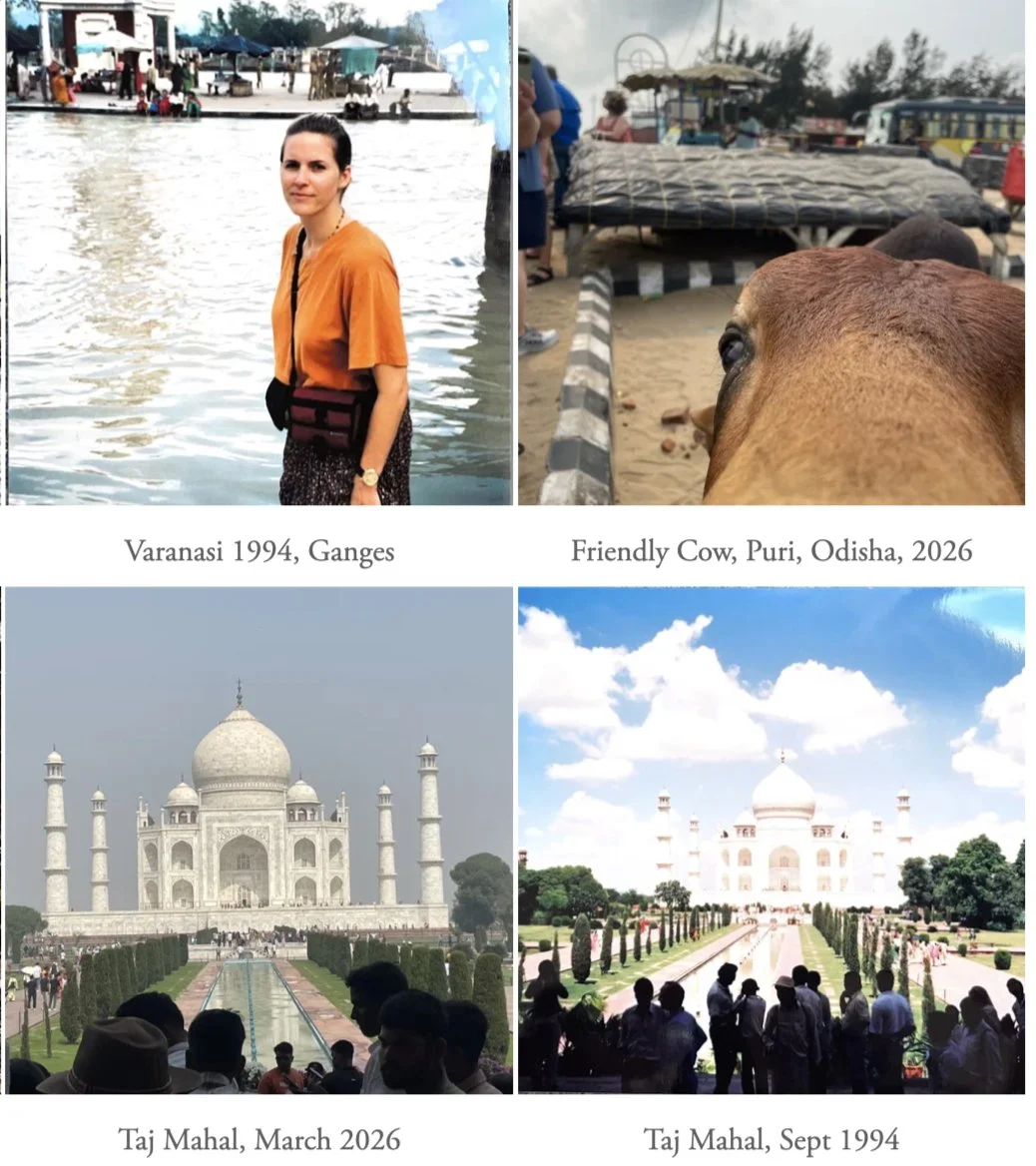
From a long-running history with India of 30 years, I highlight some of the features of their growing 4-trillion-dollar economy. It's like a massive socio-economic experiment contained in the democracy that is India. The numbers, however, do it no justice.
India is a really rich tapestry of people, places and bustling activity.
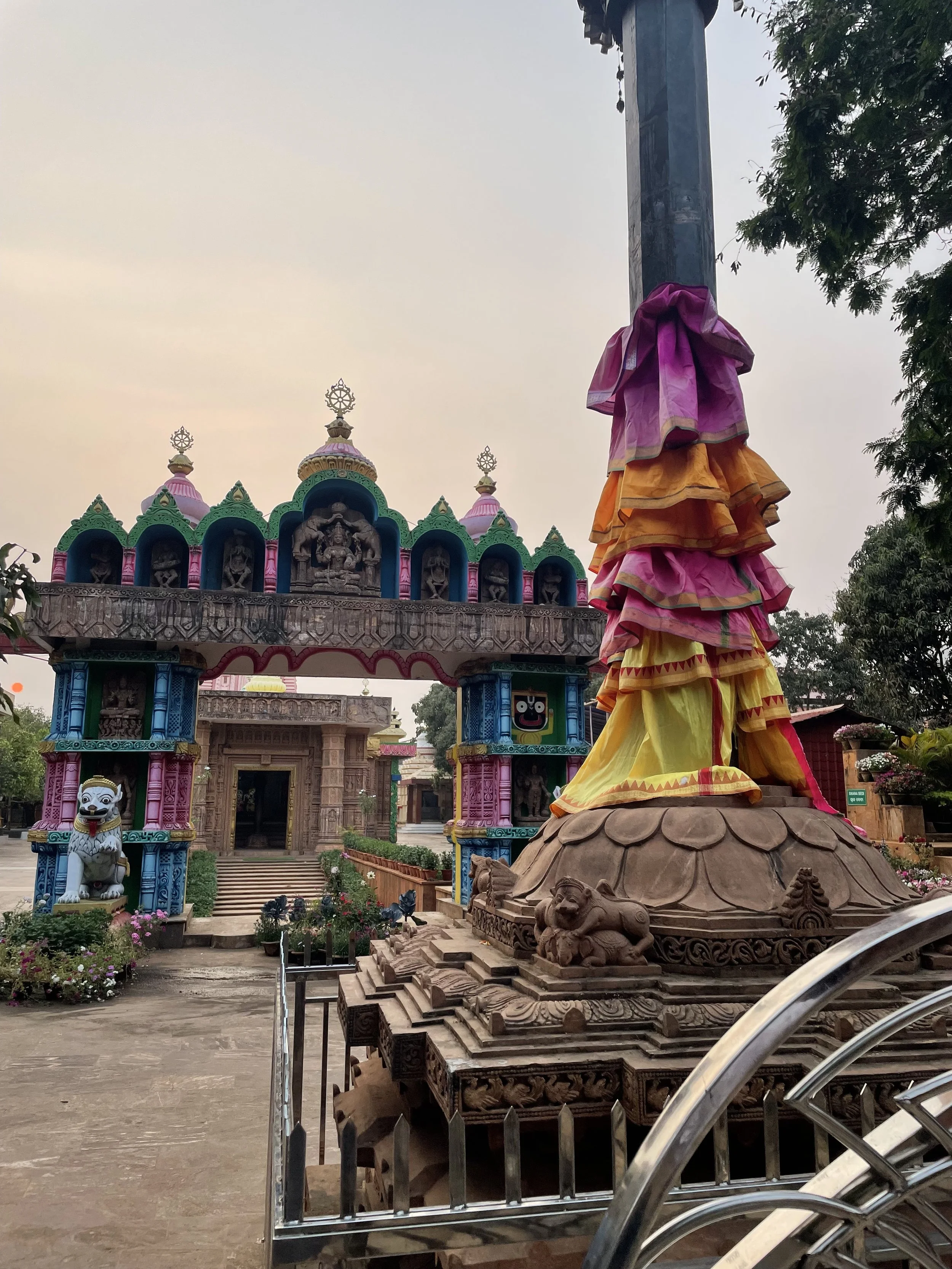
I was part of a delegation of educators, trade representatives, and creative professionals. I left March sixth and returned a few weeks later. We spent a couple of days in Delhi first, then traveled south to Odisha — a growing state in eastern India with a long coastline along the Bay of Bengal.
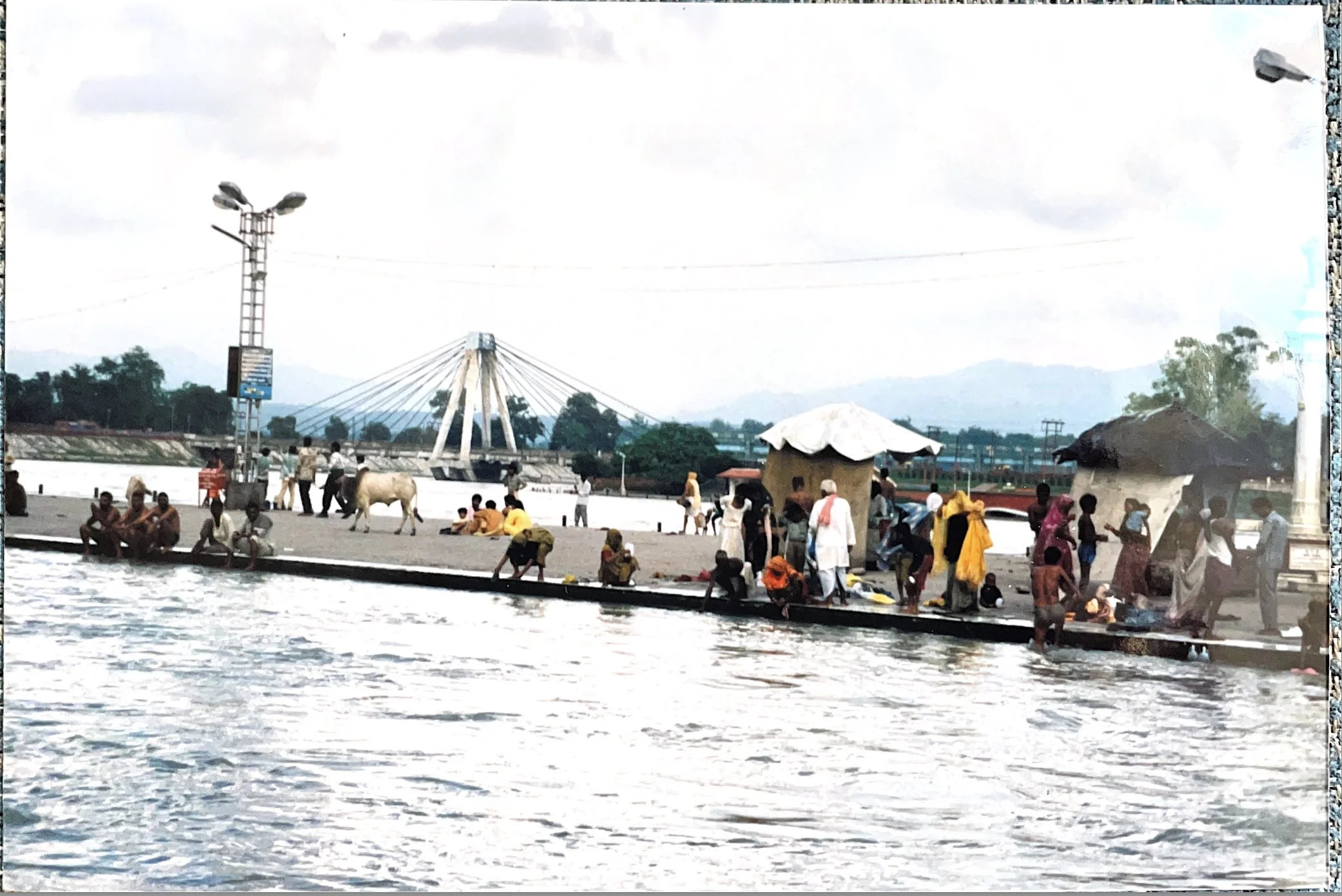
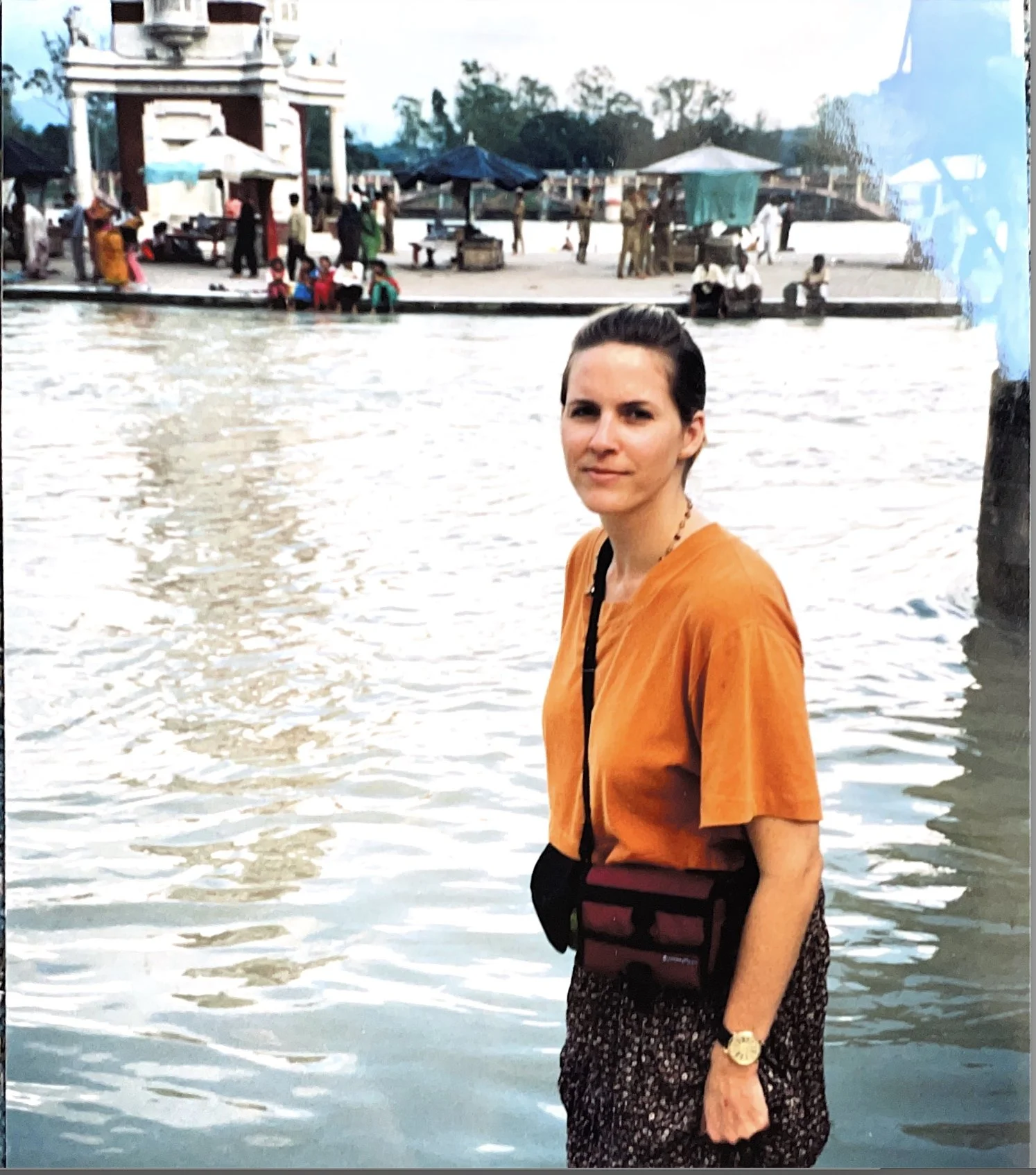
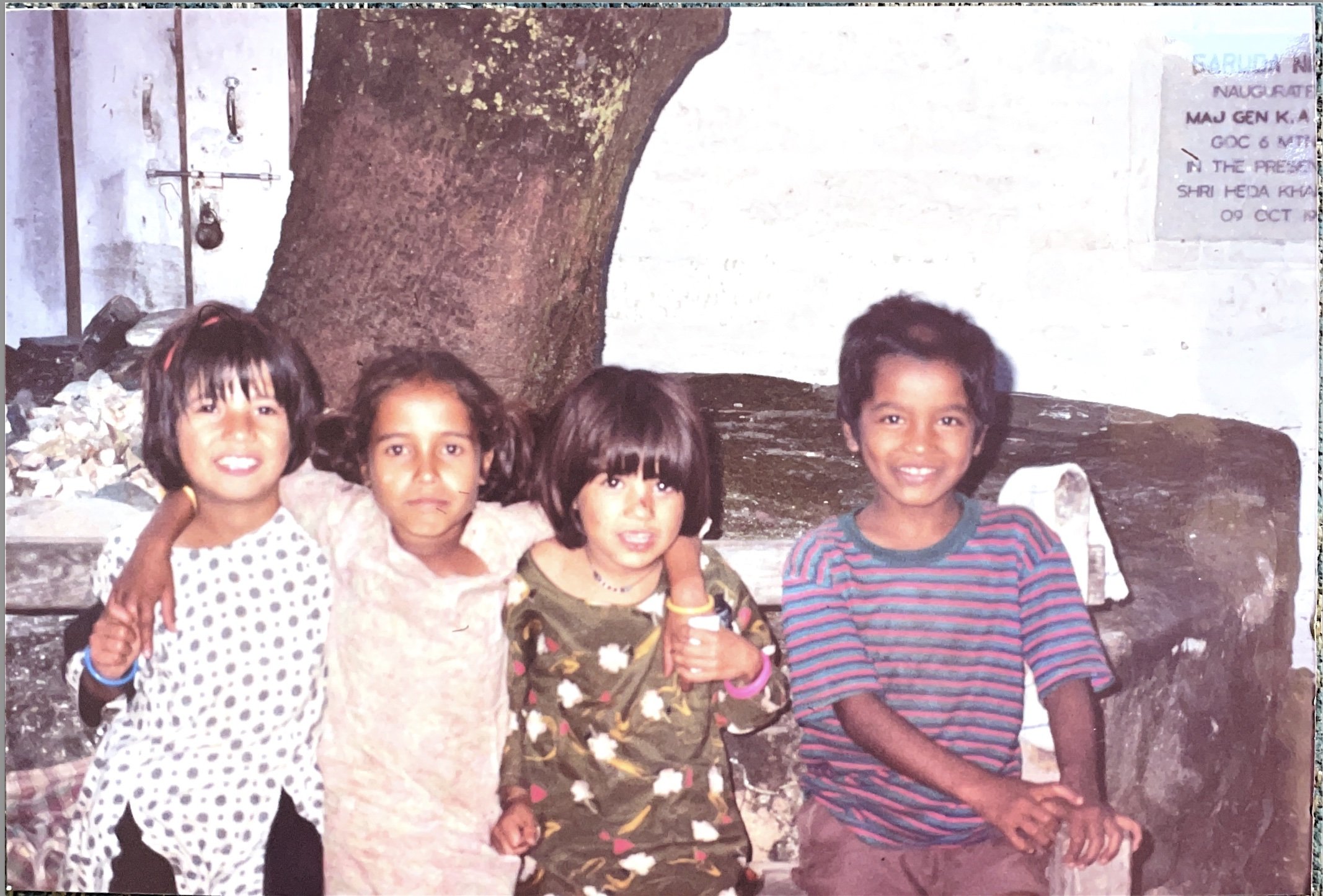
Going back to a 1994 first trip to India, I traveled from Delhi north toward Tibet and Nepal, spending most of my time in the northern regions near the Himalayas, before heading south to Kerala at the southernmost tip of the country — a three-week journey in all.
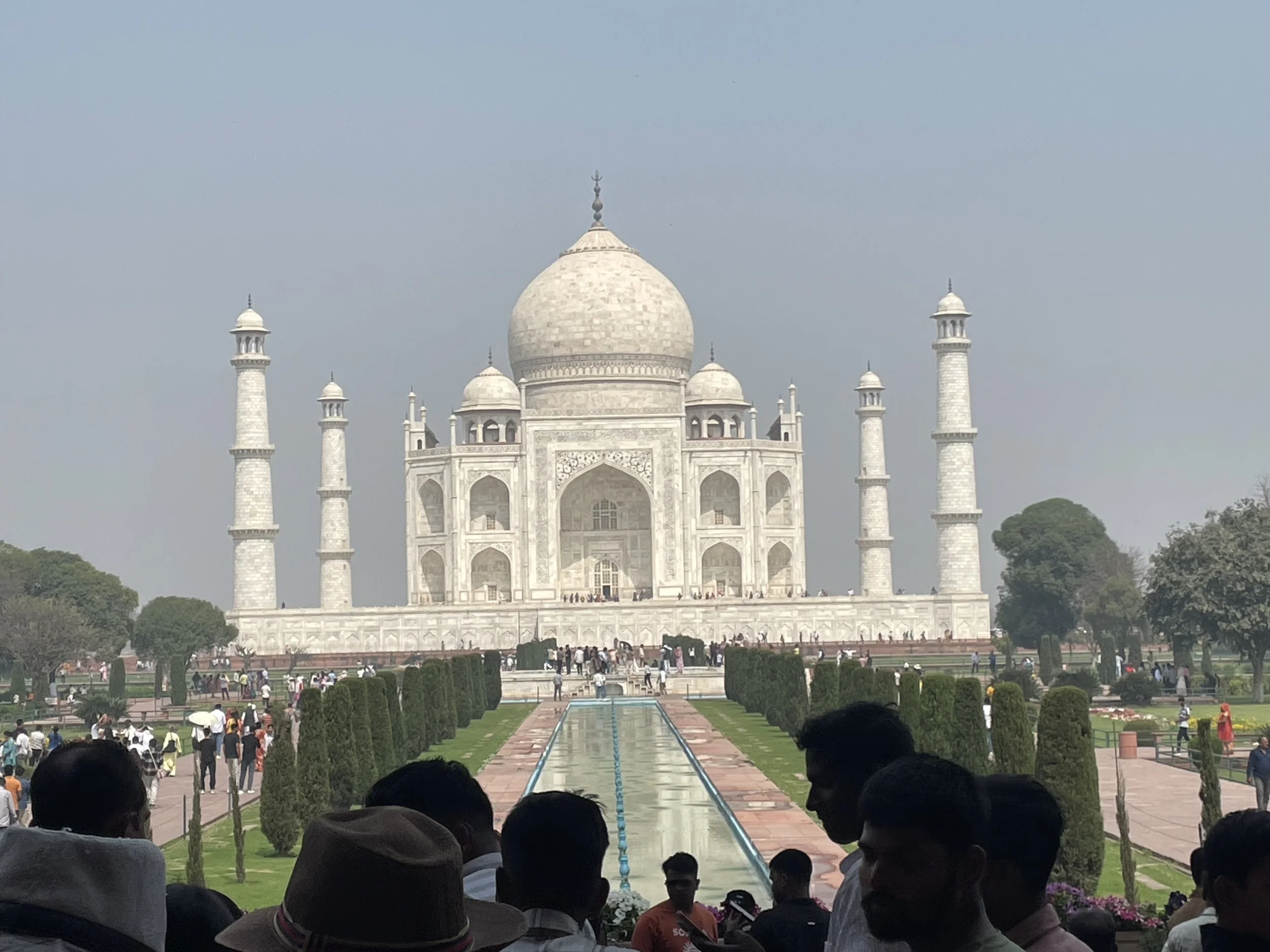
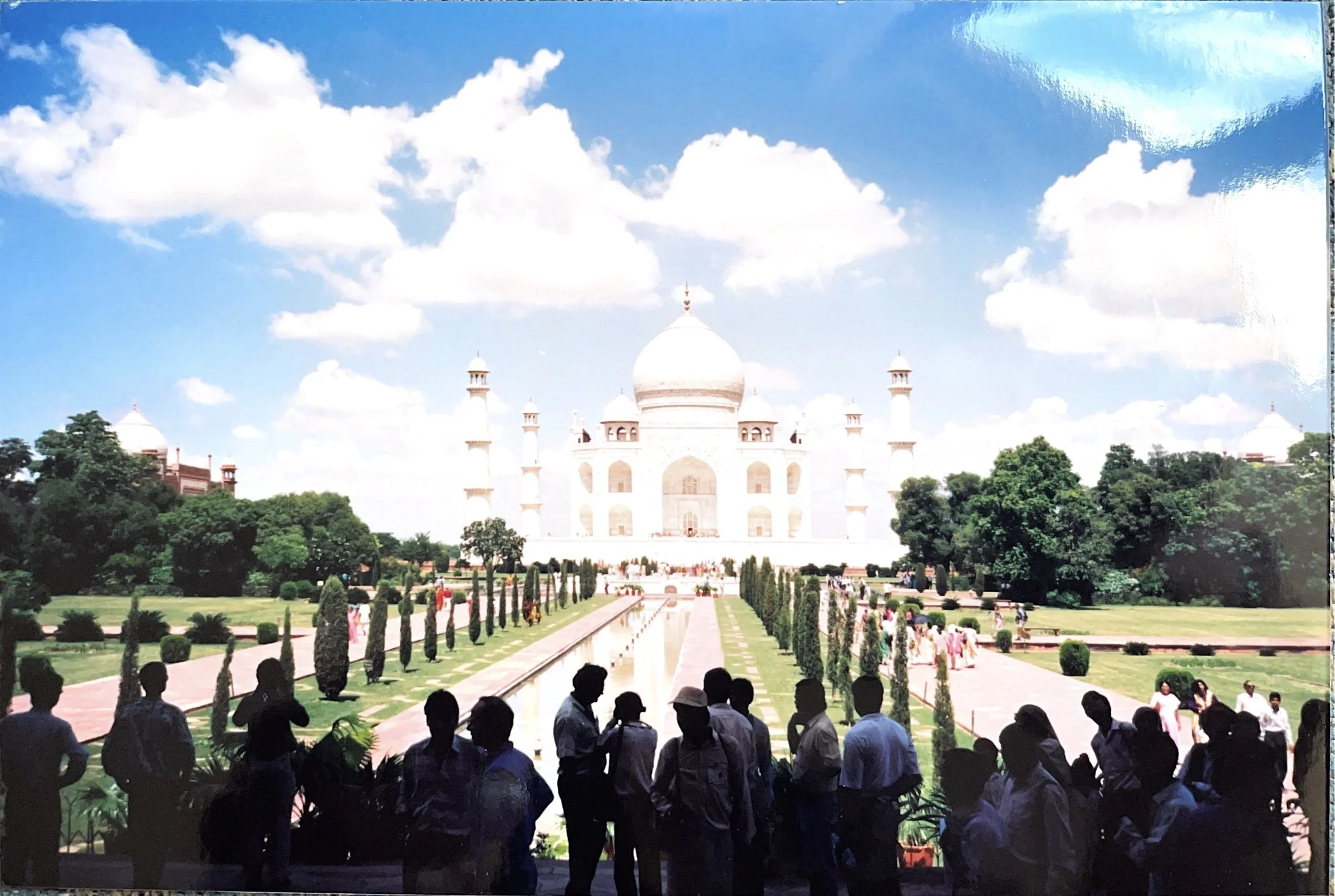
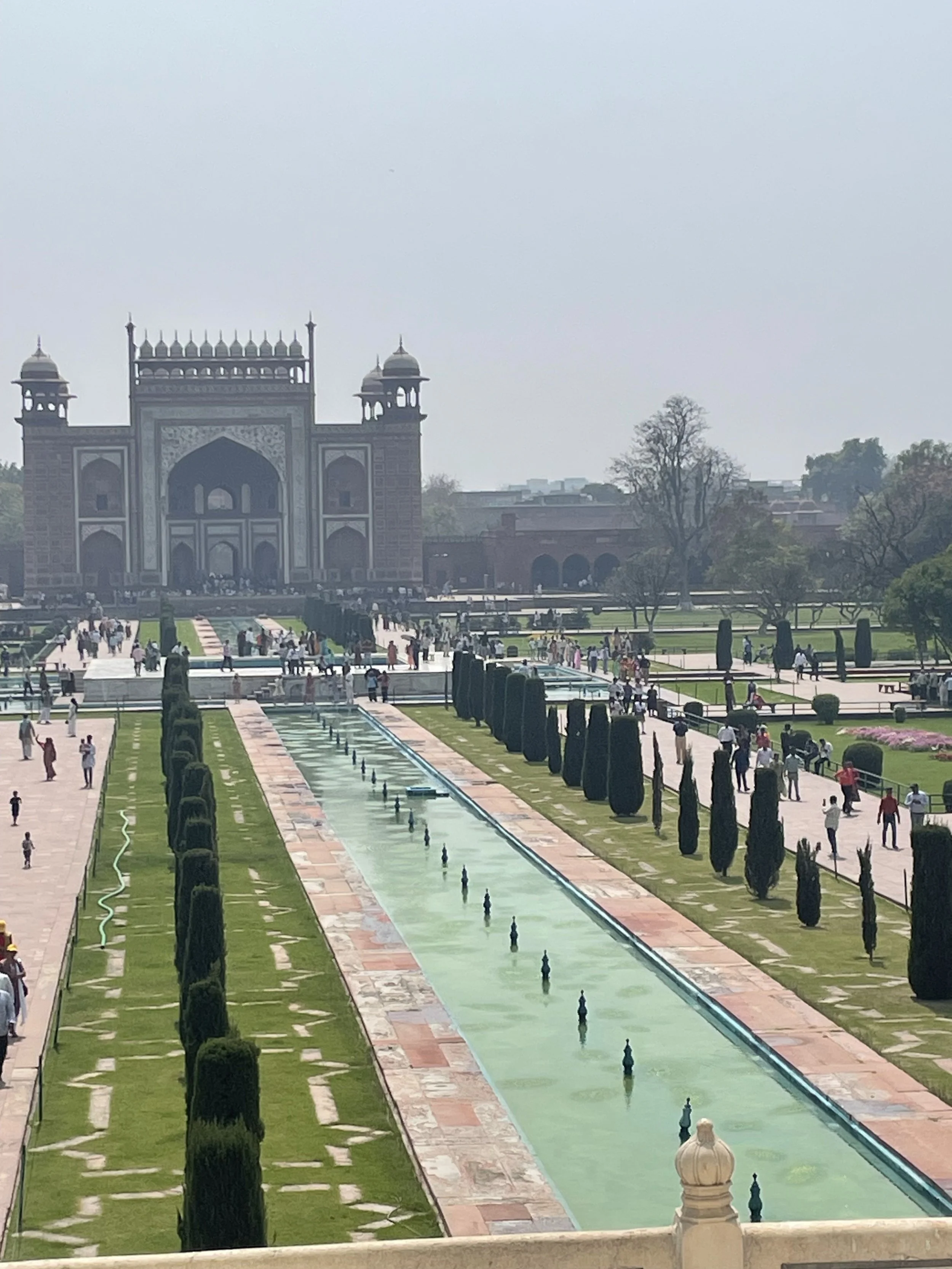
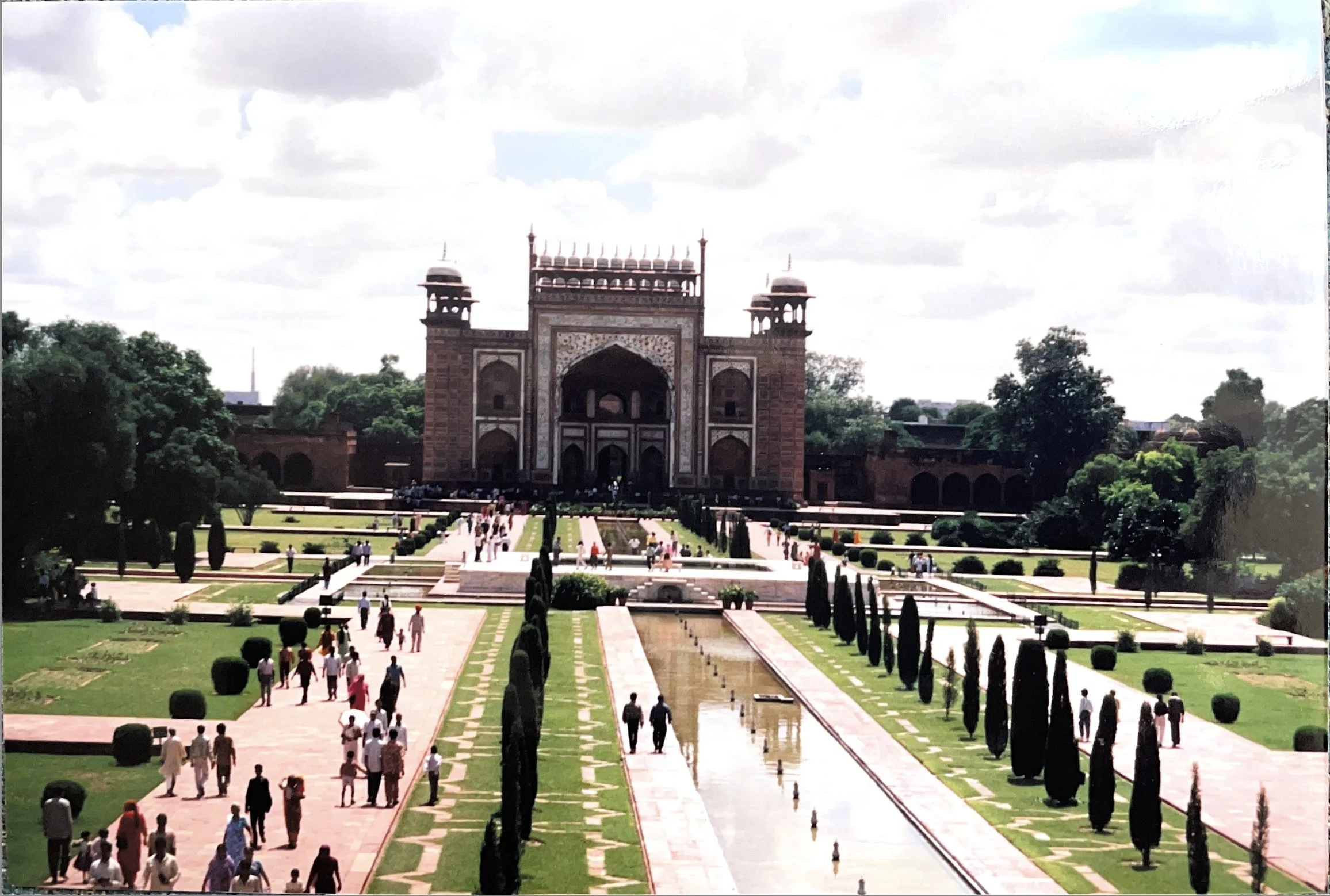
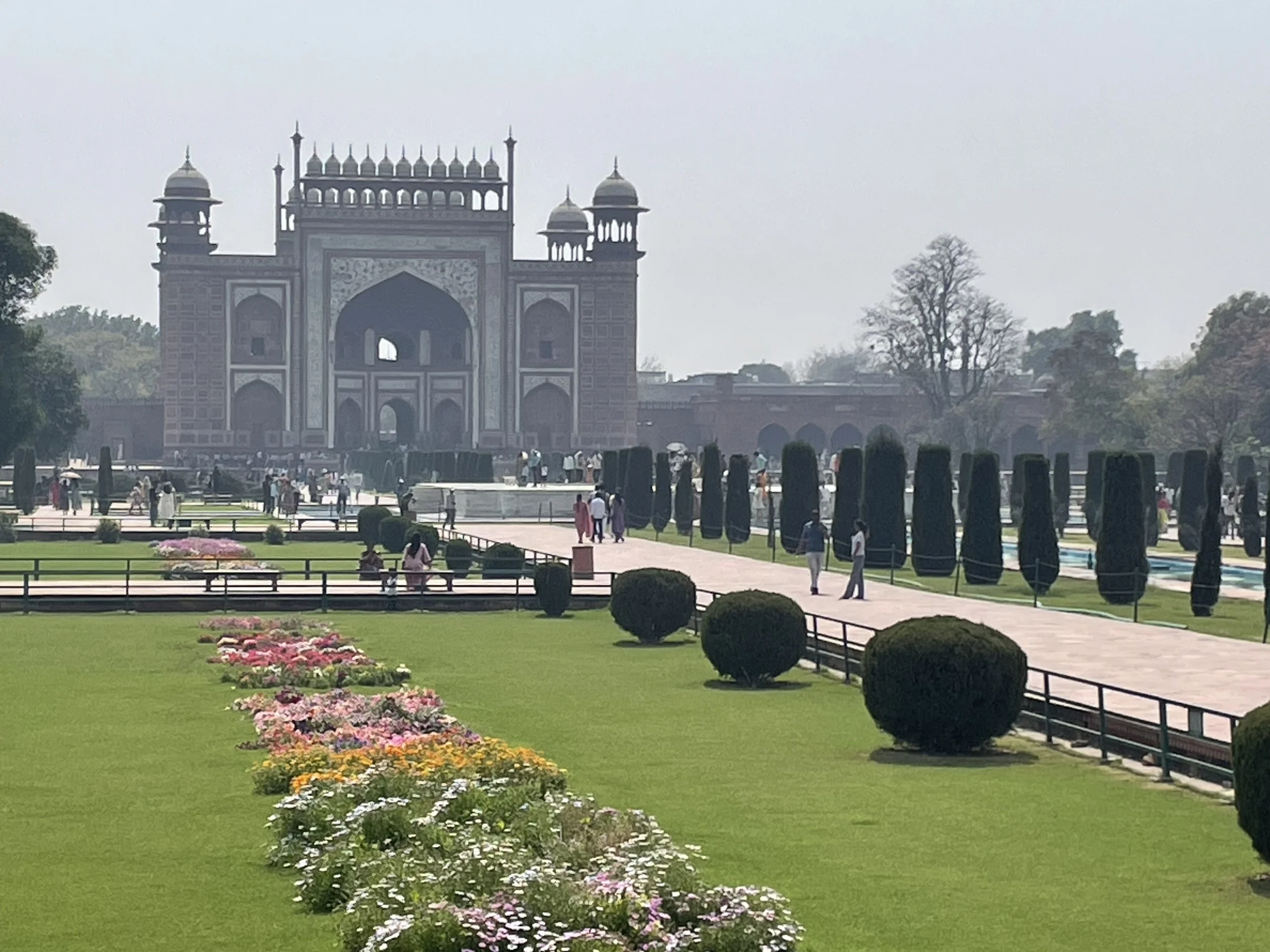
I can say emphatically that India has developed enormously since then. Thirty years ago, I wrote a travelogue at the time, so I have a record to compare against. One striking example: we visited the Taj Mahal on this trip, just as I had in 1994, and the crowds were probably five to ten times what they were back then.
That reflects the growing middle class we so often read and hear about — but I was seeing it firsthand. It shows that Indians now have vacation time and disposable income to tour their own country, much as we do in the United States. I also want to highlight that India is the largest democracy in the world, a value we share with them.
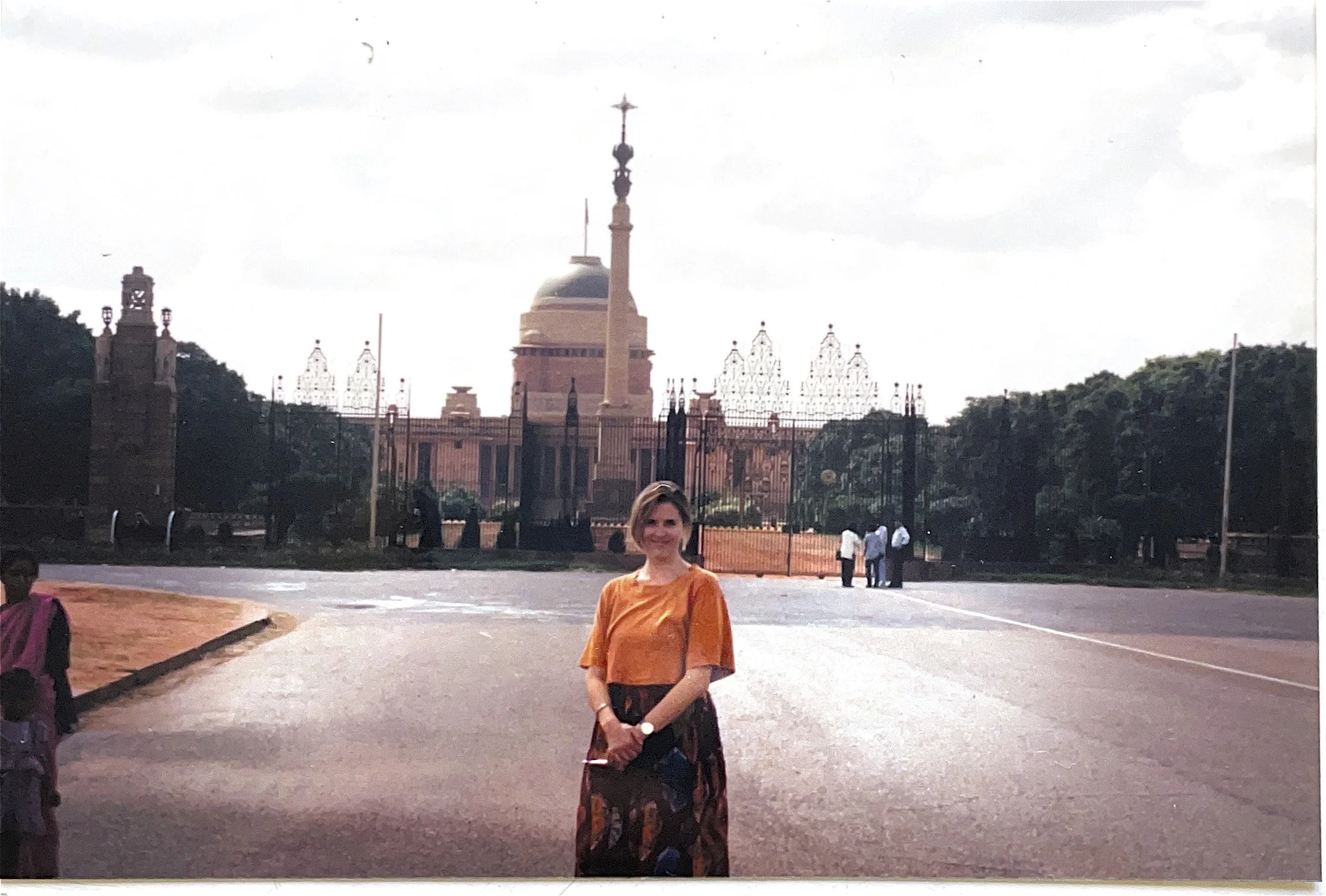
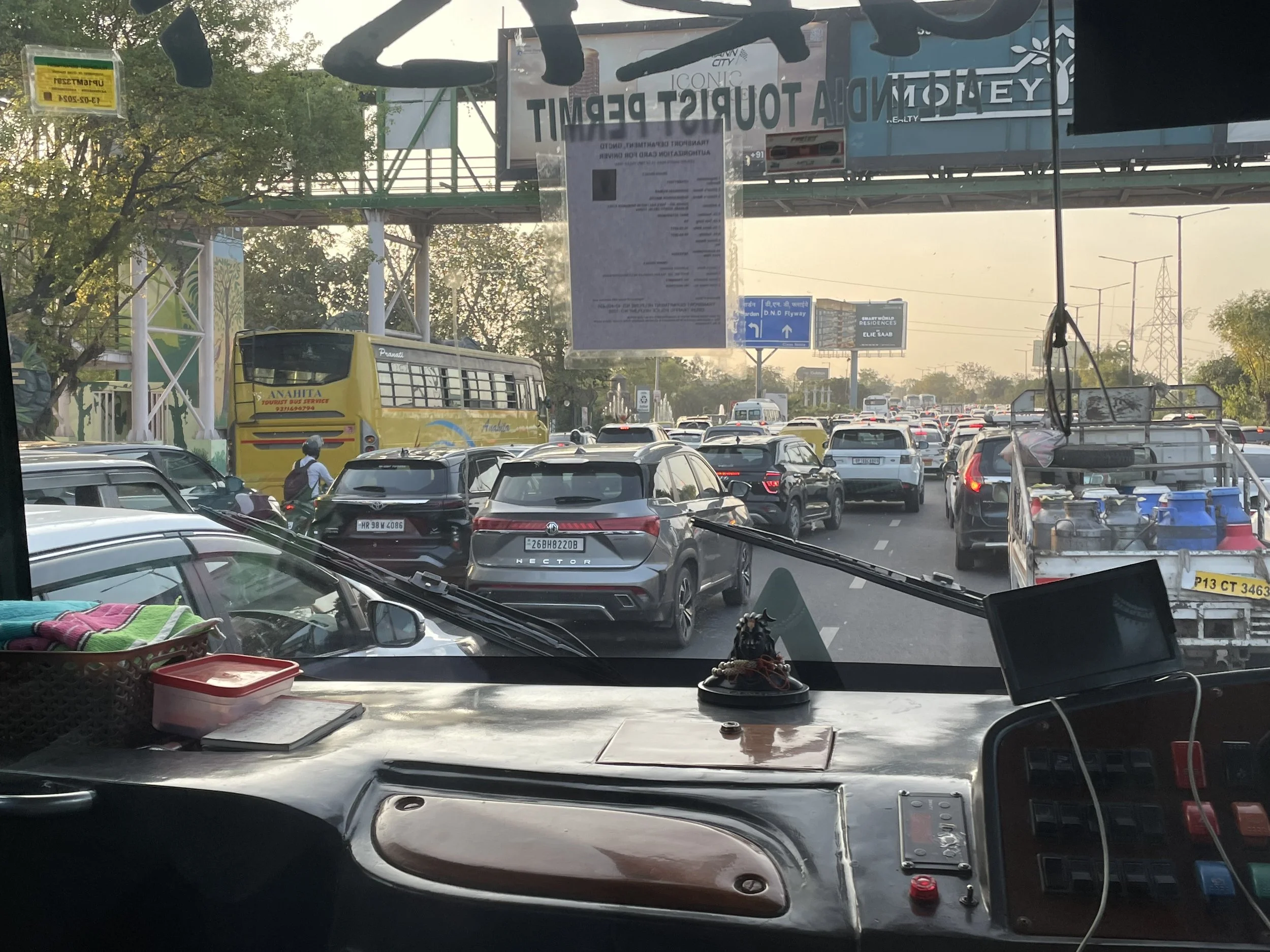
Below are side-by-side photos of the Taj from 30 years ago. Notice how the sky has changed and that there is no traffic near the President’s House in 1994, which would be unheard of today. In Varanasi especially, one must step into the Ganges.